




 6 minutes
 Share
ShareWhat Do You Need to Start Mining at Home in 2025? - Introduction to Home Crypto Mining
Crypto mining at home has become a popular entry point for beginners who want to participate in the blockchain ecosystem without setting up large-scale facilities. In 2025, technological improvements and accessible hardware options make it easier than ever to start mining from the comfort of your home.
However, success depends on understanding the requirements, from equipment and electricity to profitability calculations and safety concerns. While some see home mining as a hobby, others view it as a potential source of income. This guide explains the essentials you need to set up a home mining operation effectively, with a focus on practicality and long-term sustainability.
Essential Hardware for Home Mining
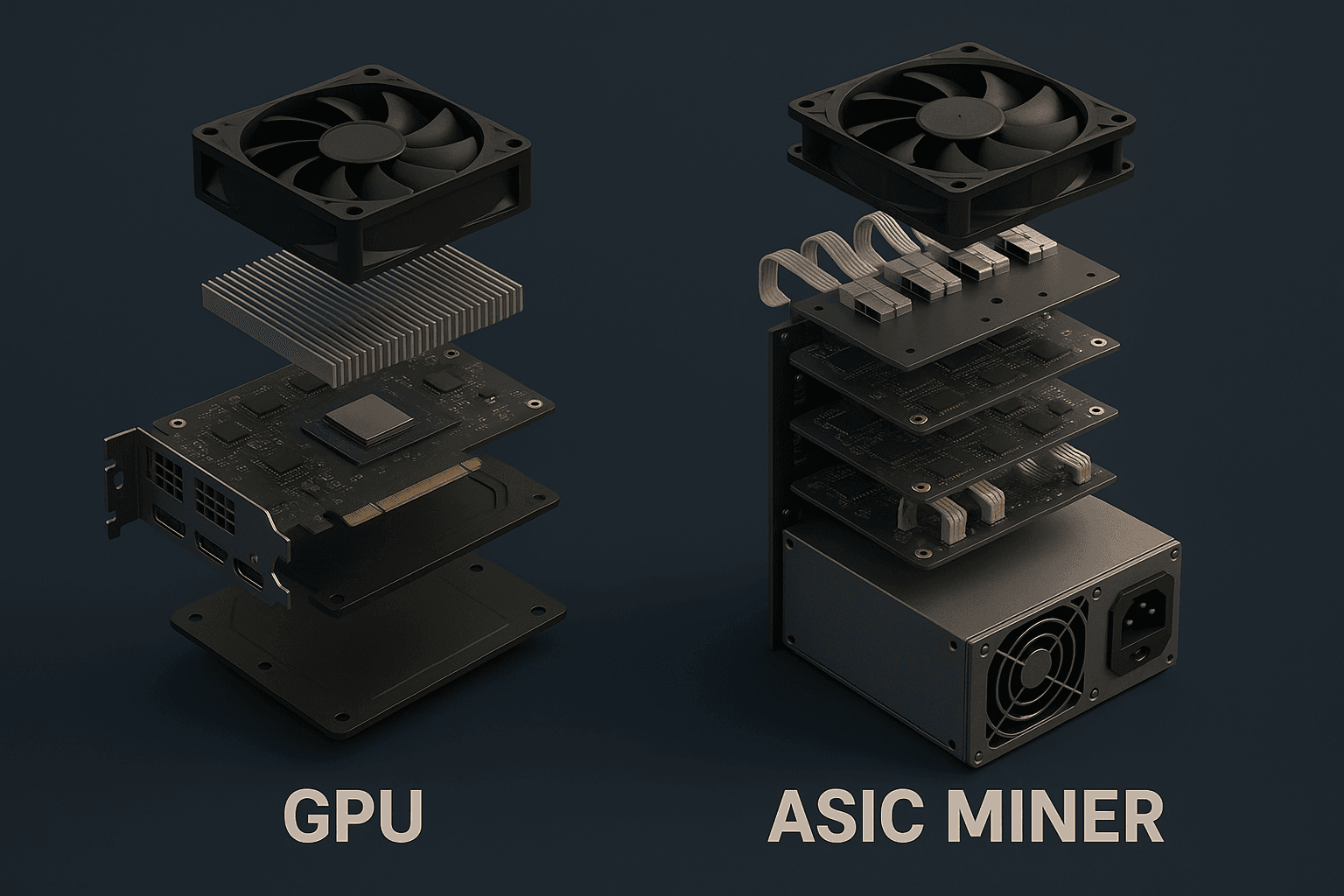
Starting a mining setup at home requires choosing the right hardware, as it directly affects efficiency and profitability. In 2025, two main approaches dominate: ASIC miners and GPU rigs. Each option has pros and cons depending on your budget, goals, and available space. To build a functional setup, you will generally need:
- ASIC Miner or GPU Rig – ASICs are purpose-built and highly efficient, while GPUs are more flexible for multiple coins.
- Power Supply Unit (PSU) – Stable and reliable power is essential for nonstop mining operations.
- Cooling Systems – Fans or liquid cooling prevent overheating and extend hardware lifespan.
- Mining Frame or Case – Provides ventilation and keeps your setup organized.
Choosing the right combination ensures your mining rig operates smoothly and efficiently at home.
Software Requirements
Hardware alone cannot run a mining operation, you also need reliable software to connect your rig to the blockchain network. In 2025, several user-friendly platforms make setup easier, even for beginners. The key software and tools required include:
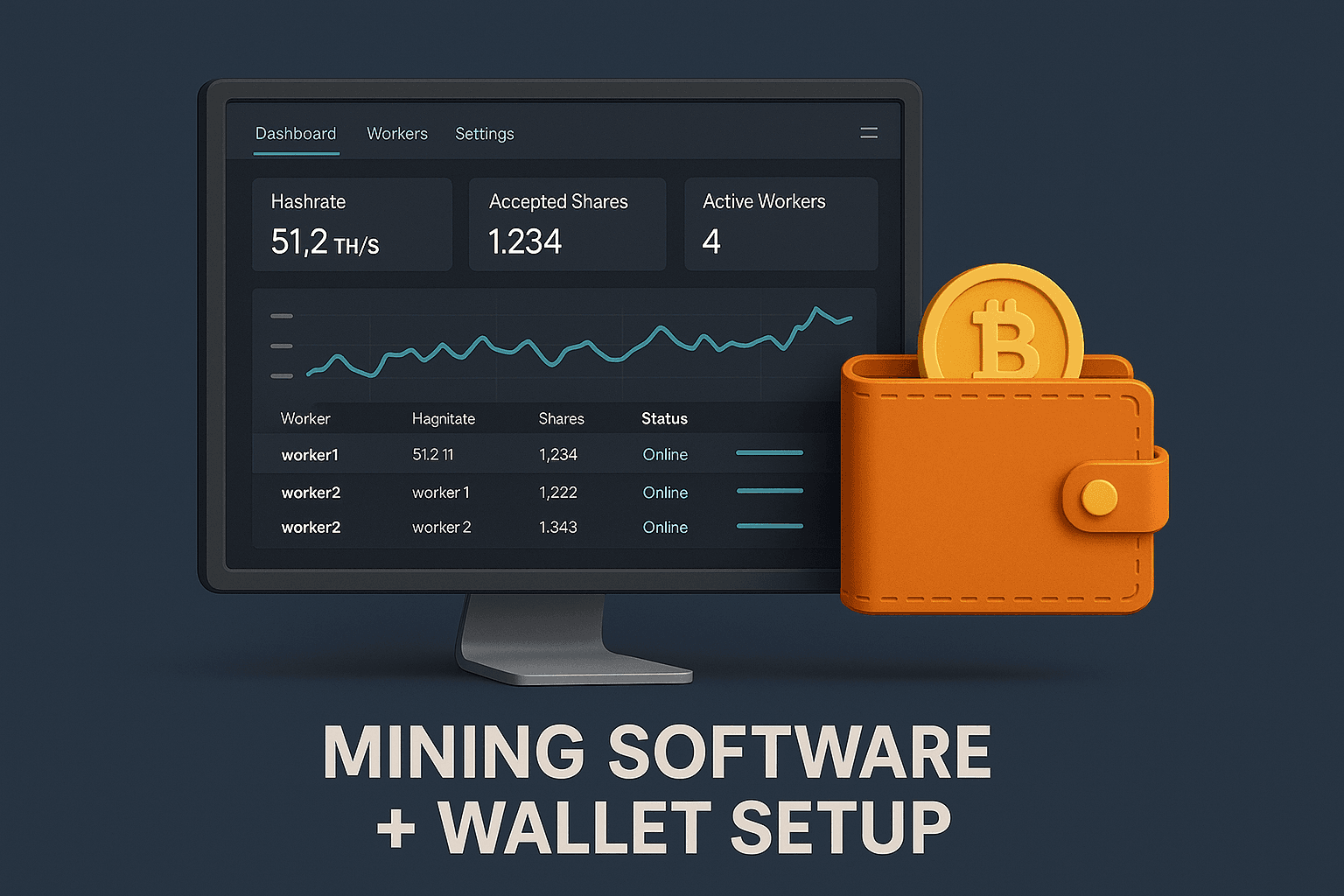
- Mining Software – Programs like CGMiner, NiceHash, or HiveOS allow your hardware to perform calculations and connect to mining pools.
- Crypto Wallet – A secure place to store mined coins. Options include hardware wallets or exchange wallets such as the Cryptal Wallet, which supports safe storage and instant trading.
- Operating System – Most miners run on Windows or Linux, but specialized OS solutions like HiveOS are optimized for mining.
- Monitoring Tools – Apps or dashboards that track performance, temperature, and profitability in real time.
These software solutions ensure your setup is functional, secure, and efficient.
Electricity and Internet Needs
Mining requires a constant supply of electricity and a stable internet connection. These two factors often determine whether home mining is profitable, especially in regions where electricity costs are high. In Georgia, relatively low energy prices have made the country attractive for mining, but careful planning is still required. Key considerations include:
- Power Consumption – ASIC miners can consume from 1,000 to 3,000 watts per unit, while GPU rigs vary depending on the number of cards.
- Electricity Costs – Compare local tariffs to potential rewards using online profitability calculators.
- Internet Speed and Stability – Mining does not demand extremely high bandwidth, but a stable, uninterrupted connection is essential.
- Backup Options – Having surge protectors and an uninterruptible power supply (UPS) prevents downtime and protects equipment.
Proper infrastructure ensures smooth, continuous mining operations.
Estimating Mining Costs and Profitability
Before starting mining at home, it is crucial to evaluate whether your setup will be financially viable. Profitability depends on several key factors, and calculating them in advance helps avoid unexpected losses. The main costs and metrics to consider are:
- Initial Investment – Hardware (ASIC or GPU), cooling, power supply, and supporting accessories.
- Electricity Costs – The largest ongoing expense, which varies depending on local tariffs and power consumption.
- Maintenance and Repairs – Fans, cables, and other components may require periodic replacement.
- Mining Pool Fees – Usually 1–3% of rewards when joining a pool.
- Profitability Calculators – Online tools estimate returns by comparing hashrate, energy use, and coin prices.
Understanding these elements allows miners to make informed decisions and plan long-term strategies.
Safety and Legal Considerations
Mining at home involves both technical and legal responsibilities. Improper setups can pose fire hazards or damage electrical systems, so safety should be a top priority. In Georgia, where mining has grown rapidly, regulations and monitoring are increasingly important. Key points to keep in mind include:
- Ensure proper ventilation to prevent overheating and reduce fire risks.
- Use quality wiring and surge protection to handle constant high electricity demand.
- Follow manufacturer guidelines when installing hardware and cooling systems.
- Stay informed about local laws and tax obligations, as some regions may regulate or tax mining activities.
- Consider insurance options for high-value equipment stored at home.
By addressing safety and legal factors early, miners protect their investment and avoid potential penalties.
Final Thoughts
Starting crypto mining at home in 2025 is more accessible than ever, but it requires careful planning and realistic expectations. From selecting the right hardware and software to ensuring stable electricity and internet, every detail influences success. Profitability can vary, especially as energy prices and network difficulty change, so using calculators and monitoring tools is essential.
For those who find home setups too demanding, alternatives like cloud mining provide an easier entry point with lower risks, though often at reduced returns. Ultimately, home mining should be approached as both a technical project and a financial decision, balancing investment, safety, and long-term sustainability.
By understanding the essentials, beginners can confidently explore mining from home while minimizing risks and maximizing efficiency.